The Bali raw food retreat market, while lacking specific audited market size data, exhibits clear commercial activity for 2026–2027. Evidence from major retreat booking platforms indicates a substantial and growing international booking funnel, rather than a limited niche. Bali remains a primary global retreat destination, and demand for organised retreats is increasing.
Bali Raw Food Retreat Buyer Trends 2027: What Modern Wellness Seekers Expect from Their Retreat Experience
As Bali continues to attract wellness travellers, understanding the expectations of modern retreat seekers is crucial. For 2026 and 2027, several trends are evident in the raw food retreat segment, indicating a discerning audience focused on specific outcomes and value.
Market Activity and Growth Indicators
While a precise, audited market-size series for the Bali raw food retreat niche is not publicly available, the segment demonstrates significant activity. Booking platforms provide clear indicators of its scale. For instance, BookYogaRetreats lists 115 raw food and yoga retreat packages for 2026/2027. BookRetreats shows 215 raw food retreats for March 2027, accompanied by 9,811 reviews. These figures suggest a substantial international booking funnel, indicating a well-established market rather than a limited boutique offering.
Bali maintains its position as one of the world’s leading retreat destinations. The presence of multiple recurring 2026–2027 Bali retreat departures from various operators confirms continuing growth in organised retreat demand. The raw food segment specifically appears to be a commercially established subset of the broader wellness and retreat market in Bali, with demand primarily concentrated in wellness tourism and bundled retreat packages, rather than standalone raw food venues.
Understanding the Modern Wellness Seeker
Modern wellness seekers approaching a Bali raw food retreat are typically looking for more than just a holiday. They seek restorative programmes, often with specific health or lifestyle goals in mind. This audience includes individuals, couples, and small groups who value structured programmes and clear benefits.
Focus on Restorative Programmes
The demand for raw food retreats is often driven by a desire for detoxification, dietary change, or a reset from daily routines. Attendees expect a programme that is not only nourishing but also provides tangible benefits for their physical and mental well-being. This includes expertly prepared raw food menus, often with educational components, alongside other wellness activities.
Specific Dietary and Lifestyle Benefits
Wellness travellers are increasingly knowledgeable about nutrition and expect retreats to deliver on their promises of health improvement. For raw food retreats, this translates into a demand for high-quality, locally sourced ingredients, innovative recipes, and a clear articulation of the health benefits associated with a raw food diet. Programmes that integrate education on raw food preparation and sustainable eating practices are particularly appealing.
Pricing Expectations and Value Proposition
Price remains a key consideration for wellness travellers. Observing 2026–2027 Bali retreat pricing provides a practical band for expectations. The value proposition must align with these price points, offering comprehensive programmes that justify the investment.
| Offer type | Typical price shown | Notes |
|---|---|---|
| All-inclusive Bali retreat, twin share | USD 2,295 | Escape Haven 2026–2027 rates. |
| All-inclusive Bali retreat, private room | USD 2,595 | Escape Haven 2026–2027 rates. |
| Women’s Bali retreat | from USD 999 | Boulder Nutrition listing for Bali retreat. |
A practical Bali retreat price band in the supplied sources is therefore roughly USD 999 to USD 2,595+. This range indicates that while budget options exist, many seekers are prepared to invest in a premium, all-inclusive experience. Retreat providers must clearly articulate the inclusions and benefits to demonstrate value within these price points.
What Inclusions Matter Most?
Modern wellness seekers expect comprehensive packages. This often includes:
- Accommodation: Comfortable, clean, and often private or semi-private rooms.
- All meals: Specifically, a well-curated raw food menu that is both delicious and nutritionally balanced.
- Wellness activities: Yoga, meditation, fitness sessions, and workshops relevant to raw food and holistic health.
- Therapeutic treatments: Spa services, massages, and other complementary therapies.
- Transfers: Airport or local transport arrangements.
- Expert guidance: Qualified instructors, chefs, and wellness practitioners.
The clarity of inclusions directly impacts a retreat’s perceived value and attractiveness.
2027 Note: Evolving Programme Structures
For 2027, there is an observable trend towards more flexible programme structures within raw food retreats. While core elements remain, options for personalised add-ons, varied daily schedules, and workshops that cater to different skill levels or interests are becoming more common. This allows for a more tailored experience, appealing to a broader range of participants.
The Importance of Location and Environment
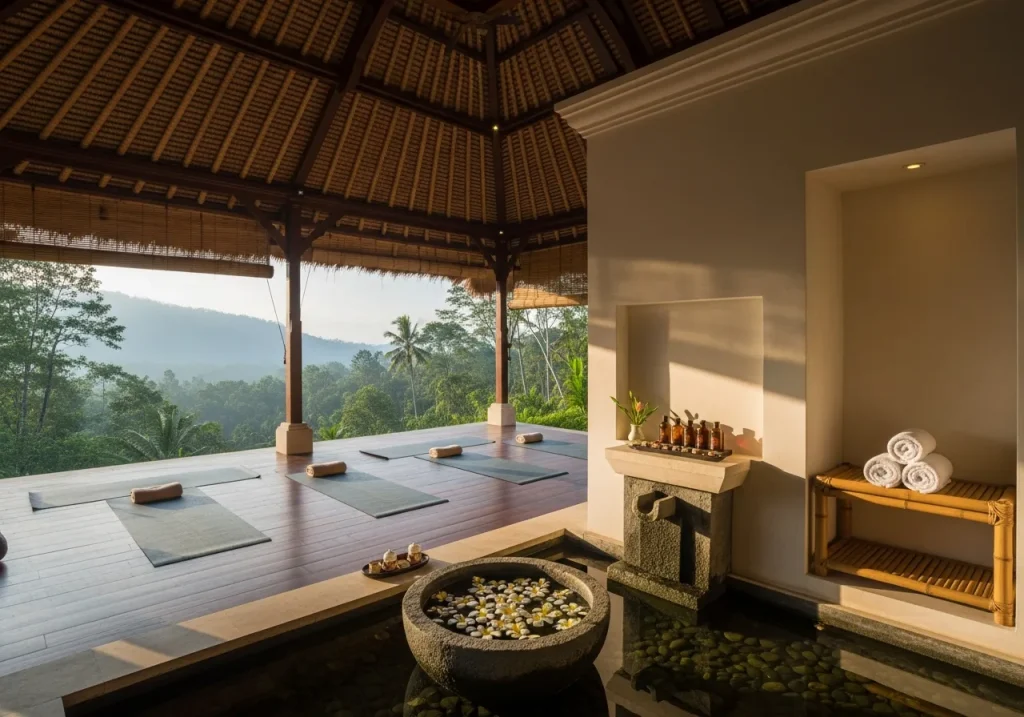
Bali’s natural environment is a significant draw. Wellness seekers expect retreats to leverage this, offering settings that promote relaxation and connection with nature. While not explicitly detailed in the market data, the general appeal of Bali’s landscapes contributes to the overall retreat experience.
Creating a Restorative Environment
Beyond the programme itself, the physical environment of the retreat plays a crucial role. Serene locations, well-maintained facilities, and spaces designed for quiet contemplation or group activities are highly valued. The atmosphere should be conducive to healing and personal growth, aligning with the restorative goals of the attendees.
The Role of Content and Education
Modern wellness seekers are often looking to gain knowledge and skills they can take home. Raw food retreats that incorporate educational elements are particularly appealing.
Learning and Skill Development
Workshops on raw food preparation, nutritional science, mindful eating, or sustainable living add significant value. These educational components empower attendees to integrate healthy practices into their daily lives post-retreat, extending the benefits beyond the retreat duration. Demonstrations and hands-on sessions are often preferred.
Target Audiences: Couples, Small Groups, and Solo Travellers
The market caters to diverse groups. While some retreats focus on solo women travellers, others are designed for couples or small groups. Understanding these distinct audiences allows for tailored programming and marketing.
Tailored Experiences for Different Groups
Retreats for couples might include shared activities and opportunities for connection, while small group retreats could focus on team-building or shared learning experiences. Solo travellers often seek opportunities for introspection, personal growth, and connection within a supportive community. The ability to cater to these varied needs enhances a retreat’s appeal.
Conclusion
The Bali raw food retreat market for 2026–2027 is active and growing, driven by wellness seekers who expect comprehensive, restorative, and value-driven programmes. Clear pricing, detailed inclusions, and an emphasis on both physical and educational benefits are key. Understanding these trends allows us to curate experiences that meet and exceed the expectations of discerning wellness travellers.
Dietary Philosophy and Customisation
Bali Raw Food Retreat focuses on a dietary philosophy rooted in plant-based, uncooked cuisine. This approach aims to maximise nutrient retention and support natural detoxification processes. Our programmes are designed to introduce guests to the principles and practical application of raw food preparation, suitable for both those new to the lifestyle and individuals seeking to deepen their existing knowledge. The curriculum includes hands-on workshops and demonstrations.
We recognise that individual dietary needs and preferences vary. Therefore, our culinary team provides options for customisation within the raw food framework. Guests with specific allergies, intolerances, or preferences, such as gluten-free or nut-free requirements, can be accommodated. We encourage direct communication regarding these needs during the booking process to ensure a tailored and supportive experience.
- Focus: Plant-based, uncooked cuisine.
- Objective: Maximise nutrient retention, support detoxification.
- Inclusions: Hands-on workshops, preparation demonstrations.
- Customisation: Accommodation for allergies (e.g., gluten-free, nut-free), intolerances, and specific preferences.
Programme Length and Structure
Our retreat programmes are structured to provide comprehensive yet adaptable experiences, catering to different availability and wellness objectives. Typical programme lengths range from 5 to 10 days, allowing for varying depths of immersion into the raw food lifestyle and restorative practices. Shorter programmes offer an introductory experience, while longer durations facilitate more profound changes and skill development in raw food preparation.
Each programme integrates daily raw food meals, practical culinary sessions, and a selection of wellness activities. These activities include yoga, meditation, and guided nature walks, designed to complement the dietary focus and promote overall well-being. The structure ensures a balanced daily schedule, combining active learning with periods of rest and personal reflection. Specific programme itineraries are detailed for each retreat offering.
| Programme Length | Focus |
|---|---|
| 5-7 Days | Introductory raw food experience, foundational skills. |
| 8-10 Days | Deeper immersion, advanced preparation techniques, extended restorative practices. |
For a personalised discussion on your retreat requirements and to explore how Bali Raw Food Retreat can meet your specific needs, request a retreat consultation on WhatsApp.
Continue reading: Comparing Bali Raw Food Resorts in 2027: Which Offers the Best Detox + Yoga Value? · Comparing Bali Raw Food Retreat Prices in 2027: Which Package Delivers Maximum Wellness Per Dollar? · Healing Therapies